

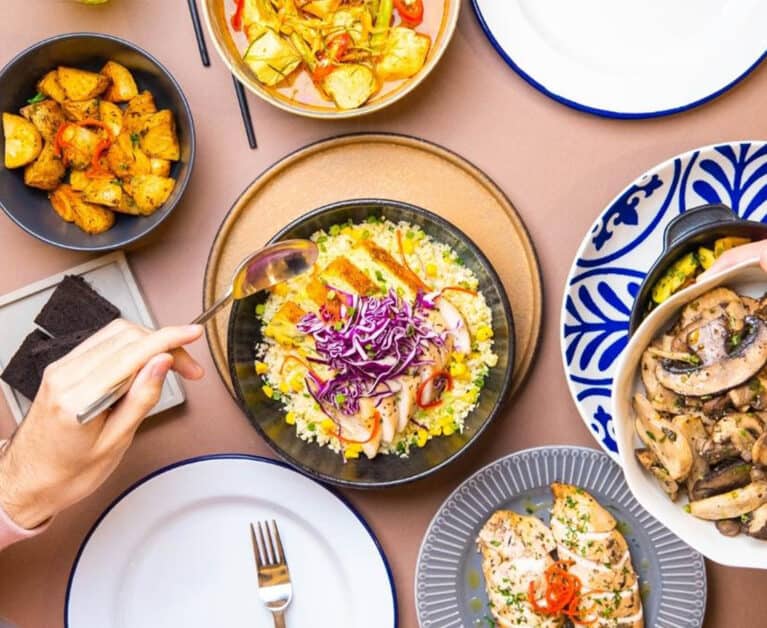
In today’s fast-paced world, finding the time to prepare nutritious, balanced meals can often feel like an impossible task. With the demands of work, family, social obligations, and everything else that fills our daily lives, it’s easy to fall into the trap of quick, unhealthy meals or eating out more often than we should. But what if there were a way to enjoy wholesome, balanced meals without spending hours in the kitchen?
The key lies in strategic meal planning and adopting a few simple time-saving techniques that don’t compromise on nutrition. Whether you’re juggling a busy career, managing a family, or simply looking for ways to streamline your food prep routine, creating balanced meals that save time is entirely achievable with a little foresight and planning. In this article, we’ll explore the science behind balanced meals, time-saving strategies, and practical tips to help you eat healthily without sacrificing your schedule.
Understanding What Constitutes a Balanced Meal
Before diving into time-saving techniques, it’s essential to first understand what makes a meal truly balanced. A balanced meal should include a variety of food groups, providing the body with the necessary macronutrients (proteins, carbohydrates, and fats), as well as essential vitamins and minerals. A well-rounded plate typically consists of:
-
Protein: Sources include lean meats (chicken, turkey, fish), plant-based proteins (tofu, tempeh, legumes), eggs, and dairy. Protein is crucial for muscle repair, immune function, and satiety.
-
Complex Carbohydrates: Whole grains like quinoa, brown rice, oats, and sweet potatoes provide fiber and long-lasting energy. Unlike refined carbs, complex carbohydrates digest slowly, helping to stabilize blood sugar levels.
-
Healthy Fats: Avocados, nuts, seeds, olive oil, and fatty fish like salmon are excellent sources of healthy fats, which are vital for brain health, hormone regulation, and inflammation reduction.
-
Fruits and Vegetables: These provide fiber, antioxidants, vitamins, and minerals essential for overall health. Aim to include a variety of colors on your plate for maximum nutrient diversity.
-
Hydration: While not technically a “meal,” maintaining adequate hydration is crucial for energy levels, digestion, and skin health. Water, herbal teas, or infused waters can help you stay hydrated.
By incorporating these components, you can ensure that your meals are nutrient-dense and provide sustained energy throughout the day.
Time-Saving Strategies for Balanced Meals
Now that we understand the components of a balanced meal, let’s explore how to save time while ensuring each meal contains the right mix of nutrients.
1. Batch Cooking and Meal Prep
One of the most effective ways to save time in the kitchen while still enjoying balanced meals is batch cooking. By preparing larger portions of staple ingredients, you can quickly assemble balanced meals throughout the week.
-
Grain Prep: Cook large batches of whole grains like brown rice, quinoa, or farro at the beginning of the week. Store them in airtight containers in the fridge. These grains can be easily reheated and paired with any protein or vegetable for a quick meal.
-
Protein Prep: Grill or roast multiple servings of chicken, fish, or plant-based proteins such as chickpeas or lentils. These can be easily stored in the refrigerator for several days and used in salads, wraps, or bowls.
-
Vegetable Prep: Pre-chop a variety of vegetables for easy access. Keep your produce washed and chopped in containers, ready to be sautéed, roasted, or added to salads. Roasted vegetables like sweet potatoes, carrots, and Brussels sprouts can be made in bulk and paired with grains or proteins for a fast, nutritious meal.
Batch cooking doesn’t mean you need to spend the entire weekend cooking. Set aside just an hour or two for meal prep, and you’ll save hours of cooking throughout the week.
2. Use Your Freezer Wisely
The freezer can be a meal prep game-changer. Certain ingredients, including proteins, grains, and even fruits and vegetables, freeze very well and can be defrosted when needed.
-
Freeze Proteins: If you buy meat or fish in bulk, portion it out and freeze individual servings for easy defrosting. You can also freeze cooked beans or lentils for a plant-based protein option.
-
Freeze Vegetables: Some vegetables, like spinach, peas, and bell peppers, freeze easily and can be used directly from the freezer in smoothies, soups, or stir-fries.
-
Freezer-Friendly Meals: Prepare entire meals in advance, like soups, casseroles, or chili, and freeze them in individual portions. On busy days, simply heat and enjoy.
Using the freezer not only saves time but also helps prevent food waste by preserving leftovers or ingredients that might spoil.
3. Opt for One-Pan Meals
When you’re pressed for time, one-pan meals can be a life-saver. These meals minimize cleanup and cooking time while allowing you to combine protein, carbs, and vegetables in one dish. Some popular options include:
-
Sheet Pan Dinners: Roasting vegetables and a protein (like chicken, fish, or tofu) on the same baking sheet is an efficient way to prepare a balanced meal. Simply drizzle with olive oil, add seasoning, and roast at 400°F (200°C) for 20-30 minutes.
-
Stir-Fries: Quickly sauté a protein with a variety of vegetables in a single pan or wok. Add a flavorful sauce (like soy sauce, ginger, and garlic) and serve over rice or noodles for a quick, balanced meal.
-
One-Pot Meals: Dishes like stews, curries, and soups require just one pot and can be loaded with vegetables, protein, and whole grains. These meals also taste even better the next day, making them perfect for leftovers.
4. Embrace Quick, Healthy Snacks
Balanced meals don’t always have to be elaborate or time-consuming. Snacks can also be nutritious, quick, and satisfying. Instead of reaching for processed, unhealthy snacks, opt for these easy options:
-
Greek Yogurt with Berries: Greek yogurt is an excellent source of protein and calcium, and when paired with antioxidant-rich berries, it becomes a wholesome, quick snack.
-
Nut Butter and Apple Slices: The fiber in the apple and the healthy fats in the nut butter will keep you satisfied between meals.
-
Trail Mix: A mix of nuts, seeds, and a small amount of dried fruit can provide a good balance of protein, fats, and carbohydrates.
-
Hummus with Veggies: Pre-cut veggies like carrots, cucumbers, and bell peppers pair perfectly with hummus, offering a crunchy, satisfying snack.
5. Simplify Recipes with Versatile Ingredients
Some ingredients are incredibly versatile, allowing you to create multiple meals with minimal effort. Here are a few time-saving staples that can form the basis of many dishes:
-
Canned Beans: Beans are an excellent source of protein and fiber and can be added to salads, wraps, or grain bowls. Canned beans are quick and easy to incorporate into meals.
-
Eggs: Eggs cook quickly and are rich in protein and essential nutrients. They can be scrambled, boiled, poached, or turned into omelets, making them perfect for quick meals or snacks.
-
Pre-Cooked Grains: If you’re short on time, buy pre-cooked grains that just need reheating. These can be added to bowls or salads for a speedy, balanced meal.
-
Frozen Vegetables: Frozen vegetables are often just as nutritious as fresh ones and can be used in soups, stir-fries, or stews. They’re also available year-round, making it easier to include a variety of produce in your diet.
Conclusion: Efficiency Without Compromise
Eating healthy doesn’t have to be a time-consuming endeavor. By incorporating smart time-saving strategies like batch cooking, using the freezer, opting for one-pan meals, and focusing on versatile, nutrient-dense ingredients, you can create balanced meals that support your health goals without monopolizing your time. The beauty of this approach is that it doesn’t require drastic changes to your lifestyle; rather, it’s about making small, sustainable adjustments to how you prepare and think about food.
With a little planning, you can enjoy a week of nutritious, wholesome meals—without the stress or time commitment often associated with cooking. After all, eating clean, balanced meals should be a source of nourishment and enjoyment, not a burden.
