

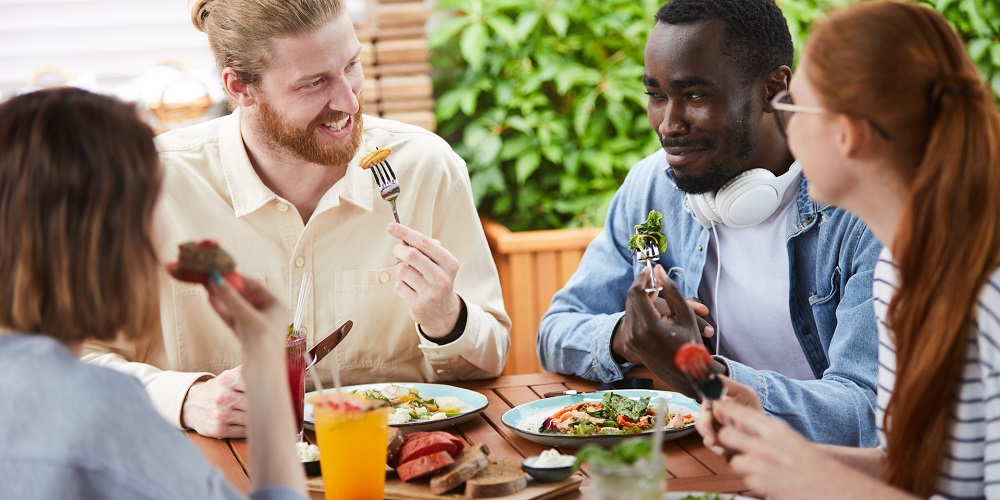
Body weight and eating behaviors are often discussed in terms of calories, metabolism, and individual choice. Yet, culture quietly shapes what we eat, how much we eat, and how we feel about food and bodies long before personal decisions come into play. From daily meal timing to beauty ideals, cultural norms influence both physical health and emotional relationships with food.
Understanding these influences offers a more compassionate and realistic perspective on body weight across populations.
The Cultural Framework of Food Choices
Culture acts as an invisible guide, defining what is considered normal, healthy, or celebratory food. These shared beliefs are passed down through families, communities, and generations.
Key cultural factors shaping food choices include:
-
Traditional cuisines rooted in geography and agriculture
-
Religious or spiritual practices affecting fasting and food restrictions
-
Social norms around portion sizes and meal frequency
-
Economic traditions, such as home cooking versus street food reliance
In many cultures, food is not merely nourishment—it is identity, heritage, and connection.
Meal Structure and Eating Rhythms Across Cultures
How and when people eat varies widely, influencing energy intake and digestion.
Common Cultural Meal Patterns
-
Communal meals encourage slower eating and portion awareness
-
Frequent small meals may stabilize blood sugar and appetite
-
Late-night dining traditions can affect metabolic regulation
-
Festive feasting periods may lead to cyclical weight changes
Cultures that emphasize mindful, shared meals often experience fewer issues related to overeating compared to fast-paced, isolated eating habits.
Cultural Perceptions of Body Weight and Beauty
Attitudes toward body size are deeply cultural and can shape both self-image and health behaviors.
In some societies:
-
A larger body symbolizes prosperity, fertility, or strength
-
Thinness may be associated with illness or hardship
In others:
-
Slender physiques are idealized as signs of discipline and success
-
Weight gain may be socially stigmatized
These perceptions influence dieting behaviors, physical activity, and even mental health, often more powerfully than medical advice.
The Role of Family and Socialization
Eating behaviors are learned early. Family traditions often dictate:
-
Portion sizes served to children
-
Attitudes toward finishing food
-
Emotional associations with meals (comfort, reward, obligation)
Children raised in environments where food is linked to celebration and connection may develop healthier long-term relationships with eating than those exposed to restriction or pressure.
Urbanization and Cultural Shifts in Diet
Modernization has rapidly altered traditional eating patterns.
Major cultural shifts include:
-
Increased access to processed and convenience foods
-
Reduced time for home cooking
-
Westernized dietary ideals replacing local traditions
These changes often lead to higher calorie consumption without the protective cultural practices—such as communal meals—that once balanced intake.
Cultural Stress, Migration, and Weight Changes
Migration can disrupt established food routines. Individuals adapting to new cultures may experience:
-
Loss of familiar foods
-
Pressure to conform to new body ideals
-
Emotional eating linked to cultural displacement
This phenomenon, sometimes called dietary acculturation, frequently results in weight fluctuations as people navigate unfamiliar food environments.
Rethinking Health Through a Cultural Lens
Health interventions are most effective when they respect cultural context. Encouraging culturally inclusive nutrition means:
-
Preserving traditional foods while adjusting preparation methods
-
Respecting cultural meal patterns rather than imposing rigid diets
-
Valuing body diversity alongside health indicators
When culture is acknowledged, sustainable and realistic health outcomes become more attainable.
Frequently Asked Questions
How does culture influence portion sizes?
Cultural norms determine what is considered a “normal” serving, which can significantly affect daily calorie intake without conscious awareness.
Are traditional diets generally healthier than modern diets?
Many traditional diets are nutrient-dense and balanced, though health outcomes depend on food availability, preparation methods, and lifestyle factors.
Can cultural beauty standards impact mental health?
Yes, conflicting cultural ideals around body size can contribute to body dissatisfaction, stress, and disordered eating behaviors.
How does communal eating affect body weight?
Shared meals often encourage slower eating and stronger satiety cues, which may help regulate food intake.
Why do immigrants often gain or lose weight after relocation?
Changes in food environment, stress levels, and cultural norms around eating commonly lead to weight fluctuations.
Is it possible to balance cultural food traditions with modern health advice?
Absolutely. Small adjustments—such as cooking methods or ingredient substitutions—can preserve cultural identity while supporting health.
How can healthcare providers respect cultural eating patterns?
By learning about cultural food practices, avoiding one-size-fits-all advice, and collaborating with individuals to create realistic, culturally sensitive nutrition plans.
