

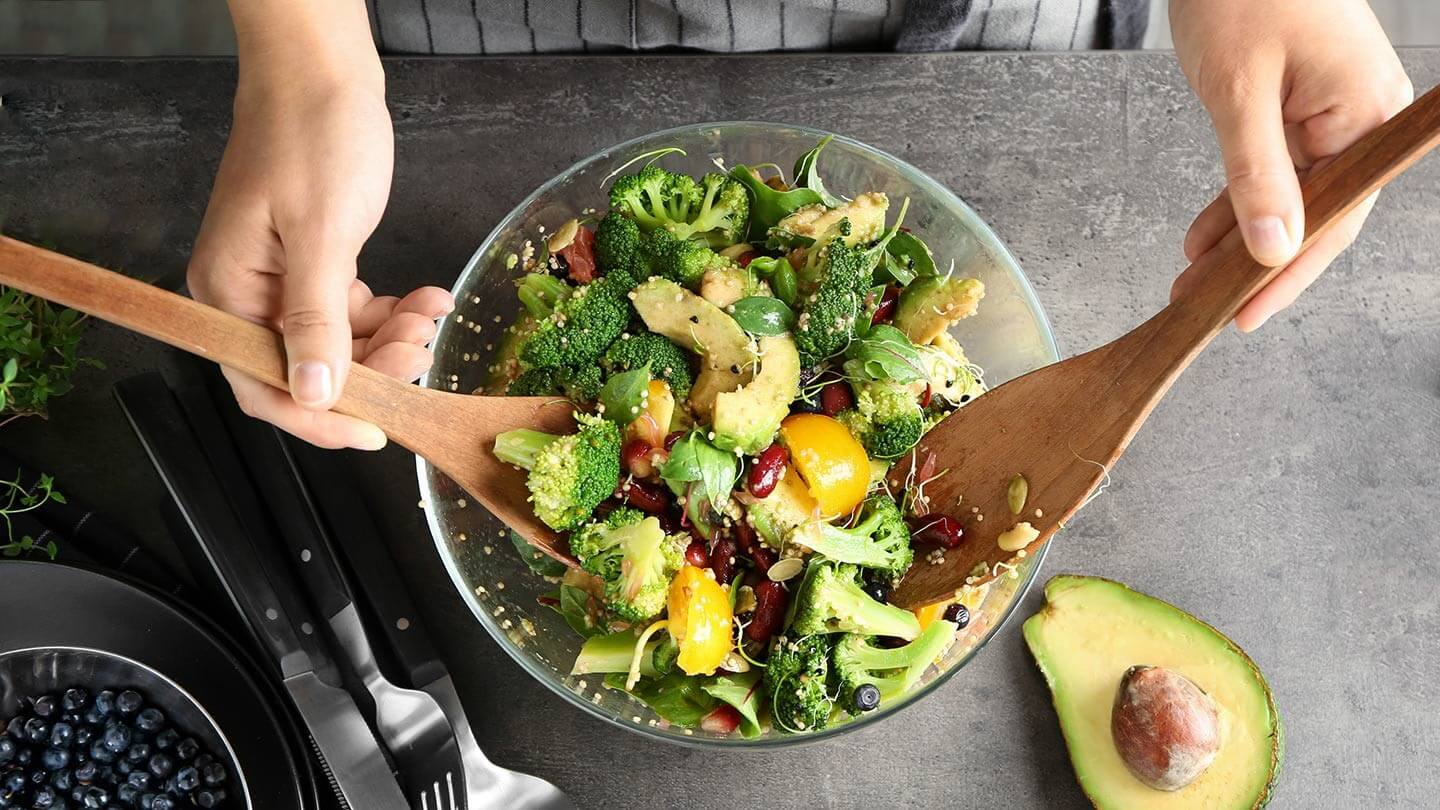
Modern cooking isn’t just about taste—it’s also about keeping food as nutritious as possible. The way you apply heat, water, and fat can either protect vitamins and minerals or strip them away. Below are the most effective cooking methods that help retain nutrients while enhancing natural flavor, making your meals healthier without sacrificing enjoyment.
Why Cooking Methods Matter for Nutrition
Heat, oxygen, and water all influence nutrient stability. Water-soluble vitamins like vitamin C and B-complex are especially vulnerable, while minerals are more stable but can leach into cooking liquid. Choosing the right technique minimizes these losses and preserves texture and taste.
Steaming: Gentle and Nutrient-Saving
Steaming uses hot vapor rather than boiling water, which significantly reduces nutrient loss.
Why it works
-
Minimal contact with water prevents vitamin leaching
-
Short cooking time protects heat-sensitive nutrients
-
Maintains vibrant color and natural sweetness
Best for
-
Broccoli, spinach, carrots, green beans
-
Fish and shellfish
Sous Vide: Precision Cooking at Its Best
Sous vide involves sealing food in airtight bags and cooking it at a controlled low temperature.
Key benefits
-
Nutrients remain locked inside the food
-
Even cooking without overheating
-
Intensifies natural flavors without added fat
Best for
-
Lean meats and poultry
-
Fish and vegetables
Stir-Frying: Fast Heat, Big Flavor
When done correctly, stir-frying preserves nutrients thanks to high heat and short cooking time.
Tips for maximum benefit
-
Use healthy oils like avocado or sesame oil
-
Keep vegetables crisp-tender, not overcooked
-
Stir continuously to prevent nutrient breakdown
Best for
-
Bell peppers, snow peas, bok choy, mushrooms
Pressure Cooking: Nutrient Retention Through Speed
Although it uses high heat, pressure cooking reduces overall cooking time, which helps protect nutrients.
Why it’s effective
-
Short exposure to heat
-
Less water than boiling
-
Excellent flavor concentration
Best for
-
Beans and lentils
-
Root vegetables
-
Whole grains
Baking and Roasting (When Done Right)
Dry-heat methods can be nutritious if temperatures are controlled.
How to optimize
-
Cook at moderate temperatures
-
Use parchment paper or foil to reduce oxidation
-
Avoid charring, which degrades nutrients
Best for
-
Fish, poultry, sweet potatoes, squash
Blanching: Locking in Color and Nutrients
Blanching briefly cooks food in boiling water, then immediately cools it in ice water.
Advantages
-
Preserves color and texture
-
Reduces nutrient loss when followed by freezing
-
Deactivates enzymes that cause spoilage
Best for
-
Green vegetables like peas, beans, and spinach
Cooking Methods to Use Sparingly
Some techniques are more likely to reduce nutritional value:
-
Deep frying – destroys heat-sensitive vitamins
-
Boiling for long periods – leaches nutrients into water
-
Microwaving with excess water – reduces vitamin retention
Practical Tips to Maximize Nutrition and Flavor
-
Cut vegetables after washing, not before
-
Use cooking liquid in soups or sauces to reclaim nutrients
-
Cook only until tender, not mushy
-
Pair vegetables with healthy fats to improve nutrient absorption
Frequently Asked Questions (FAQs)
1. Is raw food always more nutritious than cooked food?
No. Some foods, like tomatoes and carrots, release more antioxidants when lightly cooked.
2. Which cooking method preserves vitamin C best?
Steaming and stir-frying are among the best methods for retaining vitamin C.
3. Does microwaving destroy nutrients?
When done with minimal water and short time, microwaving can preserve nutrients well.
4. Are pressure cookers safe for nutrients despite high heat?
Yes. The reduced cooking time often results in better nutrient retention overall.
5. What oils are best for high-heat cooking?
Oils with high smoke points, such as avocado oil, are ideal for preserving flavor and nutrients.
6. How can I make vegetables taste better without losing nutrients?
Use herbs, spices, citrus zest, and quick cooking methods like stir-frying or steaming.
7. Does reheating food reduce nutritional value?
Repeated reheating can reduce some nutrients, so reheating only once is best.
