

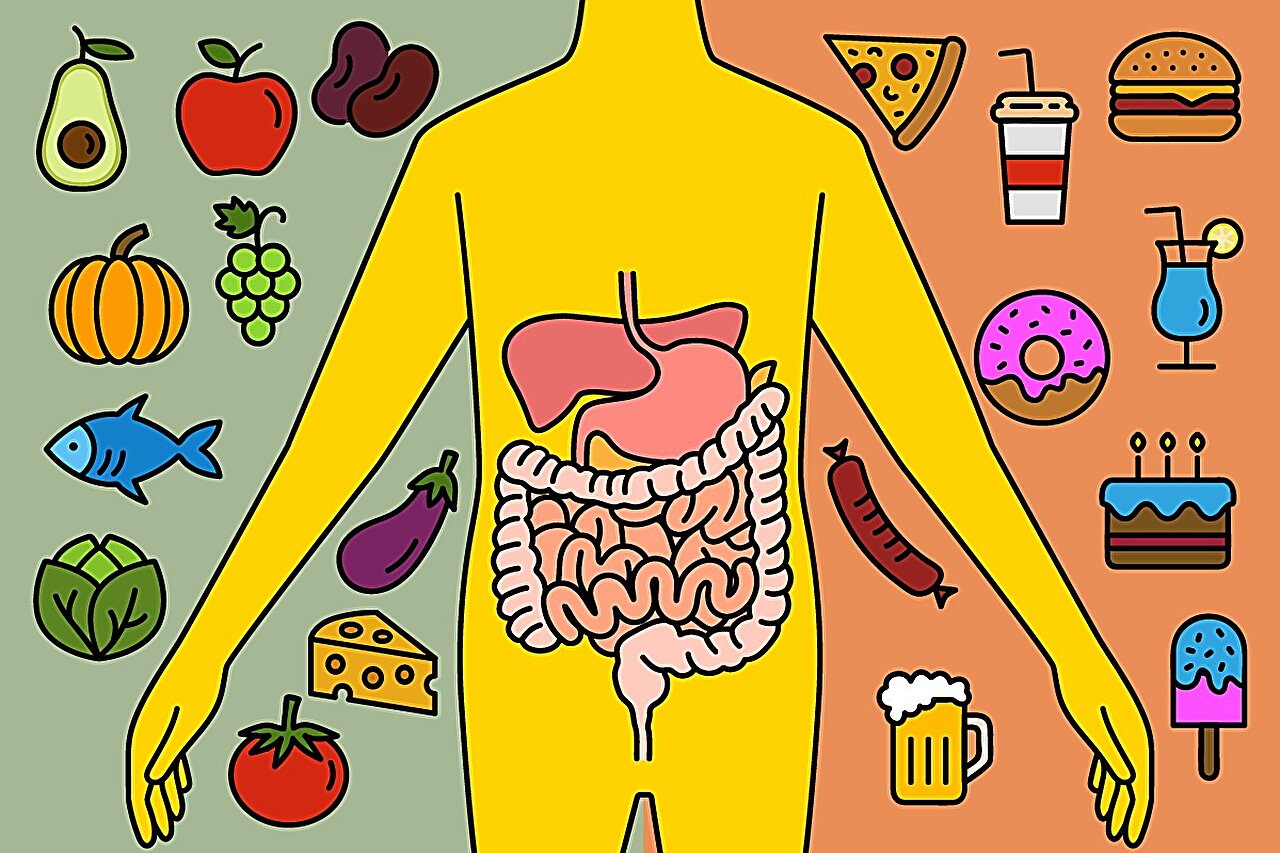
Digestive health plays a central role in overall well-being, yet it is often compromised by everyday food habits. Diets high in processed foods, excess sugar, unhealthy fats, and low fiber can disrupt normal digestive processes. Over time, these choices may lead to discomfort, chronic digestive disorders, and reduced nutrient absorption. Understanding how poor dietary patterns affect digestion is the first step toward prevention and long-term gut health.
How Diet Influences the Digestive System
The digestive system relies on a balance of nutrients, fiber, fluids, and beneficial gut bacteria to function efficiently. When this balance is disturbed, digestion slows down or becomes irregular. Foods lacking essential nutrients can irritate the gut lining, alter stomach acid levels, and negatively impact the gut microbiome.
Key dietary factors that commonly affect digestion include:
-
Excessive intake of processed and fried foods
-
Low consumption of dietary fiber
-
High amounts of added sugars and refined carbohydrates
-
Insufficient water intake
Constipation and Irregular Bowel Movements
One of the most common digestive complaints linked to poor diet is constipation. Diets low in fiber fail to add bulk to stool, making bowel movements infrequent or difficult.
Common dietary contributors include:
-
Refined grains instead of whole grains
-
Low intake of fruits and vegetables
-
Dehydration due to inadequate fluid consumption
Over time, chronic constipation can cause bloating, abdominal discomfort, and a feeling of incomplete evacuation.
Acid Reflux and Heartburn
Acid reflux occurs when stomach acid flows back into the esophagus, causing a burning sensation in the chest or throat. Certain foods can weaken the lower esophageal sphincter or increase stomach acid production.
Foods often associated with reflux symptoms:
-
Fatty and fried meals
-
Spicy foods
-
Caffeinated and carbonated beverages
-
Chocolate and highly acidic foods
Frequent reflux linked to poor eating habits may progress into more persistent conditions if left unaddressed.
Bloating and Excess Gas
Bloating is characterized by a feeling of fullness or tightness in the abdomen and is often accompanied by gas. Poor dietary choices can increase gas production or slow digestion, allowing gas to build up.
Diet-related triggers include:
-
Overeating or eating too quickly
-
High intake of sugary foods and artificial sweeteners
-
Carbonated drinks
-
Low-fiber diets that disrupt healthy gut bacteria
This condition, while usually temporary, can significantly affect daily comfort and confidence.
Diarrhea and Loose Stools
Frequent loose stools can also be linked to dietary habits. Excessive consumption of sugar, caffeine, or fatty foods may overwhelm the digestive system, leading to rapid intestinal movement.
Dietary factors that may cause diarrhea:
-
High-sugar foods and beverages
-
Excessive alcohol intake
-
Food intolerances triggered by certain ingredients
-
Highly processed foods with additives
Repeated episodes can result in dehydration and nutrient deficiencies if dietary habits remain unchanged.
Disrupted Gut Microbiome
The gut microbiome consists of trillions of beneficial bacteria that support digestion, immunity, and nutrient absorption. Poor dietary choices can reduce bacterial diversity and encourage the growth of harmful microbes.
Diets low in fiber-rich foods and high in processed ingredients deprive beneficial bacteria of fuel, leading to imbalances that may contribute to chronic digestive discomfort, inflammation, and weakened immunity.
Long-Term Consequences of Poor Digestive Health
When unhealthy eating patterns persist, digestive issues may become chronic. Poor digestion can interfere with nutrient absorption, leading to fatigue, weakened immunity, and reduced quality of life. Addressing dietary habits early helps protect both digestive function and overall health.
Improving Digestive Health Through Better Food Choices
Positive dietary changes can significantly improve digestion over time. Even small adjustments may reduce symptoms and support gut balance.
Helpful strategies include:
-
Increasing intake of whole grains, fruits, and vegetables
-
Drinking adequate amounts of water daily
-
Limiting processed, fried, and sugary foods
-
Eating mindfully and at regular intervals
Consistency is key when building habits that support long-term digestive wellness.
Frequently Asked Questions (FAQs)
1. How quickly can dietary changes improve digestive issues?
Improvements may be noticed within days to weeks, depending on the issue and the consistency of healthier eating habits.
2. Is fiber always beneficial for digestion?
Fiber is essential, but increasing it gradually is important to avoid bloating or discomfort, especially for those with sensitive digestion.
3. Can poor diet cause digestive issues even in young adults?
Yes, digestive problems related to diet can affect individuals of any age, including young adults.
4. Does drinking more water really help digestion?
Adequate hydration helps soften stool, supports enzyme activity, and promotes smoother digestion.
5. Are digestive issues always a sign of an underlying disease?
Not always. Many digestive symptoms are linked to diet and lifestyle, though persistent issues should be evaluated by a professional.
6. Can stress combined with poor diet worsen digestion?
Yes, stress can amplify the negative effects of unhealthy eating on the digestive system.
7. Are occasional unhealthy meals harmful to digestion?
Occasional indulgence is unlikely to cause long-term harm, but frequent poor choices can lead to recurring digestive problems.
