

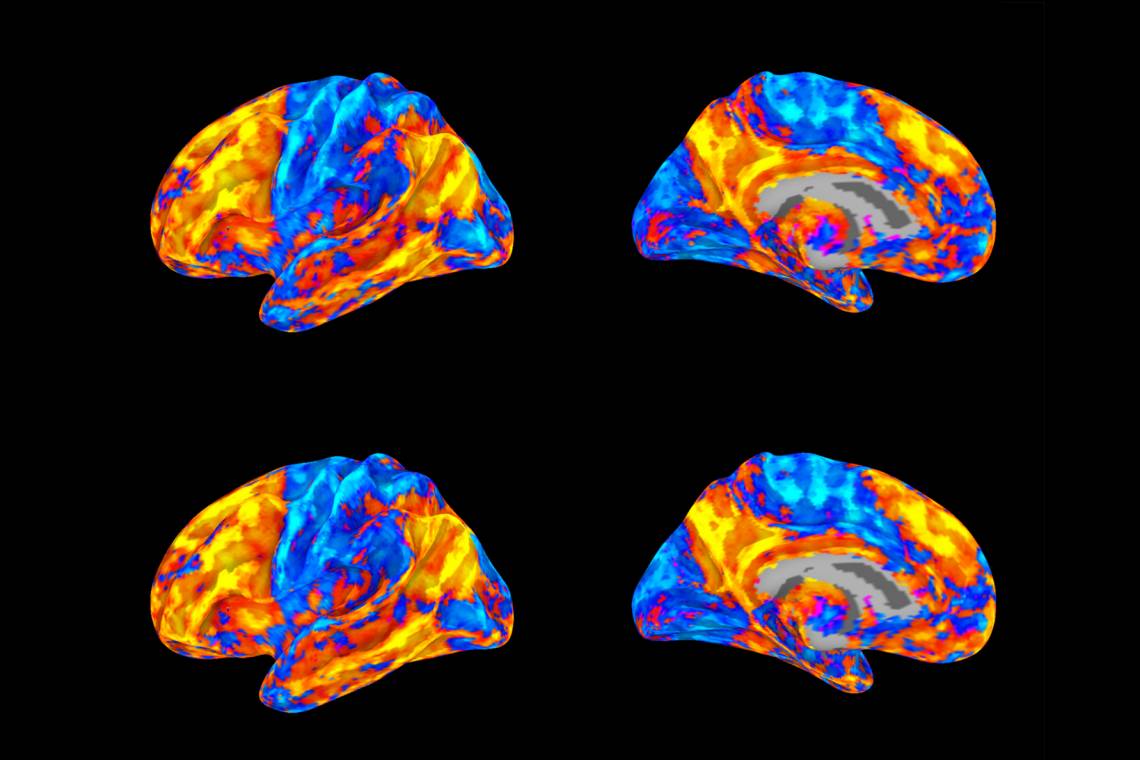
Mental health diagnosis has long relied on clinical interviews, behavioral observation, and self-reported symptoms. While these tools remain essential, they can be subjective and vary across clinicians. Brain imaging research is now reshaping this landscape by offering biological insights into how mental disorders manifest in the brain, opening the door to earlier, more accurate, and more personalized diagnosis.
The Shift From Symptom-Based to Brain-Based Understanding
Traditional diagnostic systems classify mental illnesses by clusters of symptoms. Brain imaging introduces a complementary approach: examining neural structure, activity, and connectivity linked to those symptoms.
Key advances include:
-
Identifying patterns of brain activity associated with specific disorders
-
Distinguishing overlapping conditions with similar symptoms
-
Revealing biological subtypes within the same diagnosis
This shift does not replace clinical judgment but strengthens it with objective data.
What Is Brain Imaging in Mental Health Research?
Brain imaging refers to a group of non-invasive technologies that visualize brain structure and function. These tools allow researchers to study how different regions communicate and how abnormalities may relate to mental illness.
Commonly Used Imaging Techniques
-
Functional MRI (fMRI): Measures changes in blood flow linked to neural activity
-
PET scans: Track metabolic and chemical processes in the brain
-
EEG: Records electrical activity with high temporal resolution
-
DTI: Maps white-matter pathways and brain connectivity
Each method provides a different lens on brain function, making combined approaches especially powerful.
Improving Diagnostic Accuracy
One of the biggest challenges in mental health care is diagnostic overlap. Conditions such as depression, bipolar disorder, and anxiety often share symptoms.
Brain imaging helps by:
-
Detecting distinct neural signatures associated with each condition
-
Supporting differential diagnosis when symptoms are ambiguous
-
Reducing misdiagnosis and inappropriate treatment
For example, imaging studies have shown that mood disorders can involve different patterns of activity in emotion-regulation circuits, even when outward symptoms appear similar.
Early Detection and Risk Prediction
Brain imaging is increasingly used to identify risk markers before full symptoms emerge. This is especially valuable for disorders that develop gradually.
Potential benefits include:
-
Detecting vulnerability in adolescents and young adults
-
Monitoring individuals with a family history of mental illness
-
Enabling early intervention that may lessen severity or delay onset
Early detection is one of the most promising areas where imaging could transform preventive mental health care.
Personalizing Mental Health Treatment
Not all patients respond to the same treatment. Brain imaging helps explain why by revealing differences in neural circuitry.
How Imaging Supports Precision Psychiatry
-
Predicting which patients may respond to specific medications
-
Guiding personalized therapy approaches
-
Monitoring brain changes during treatment to assess effectiveness
This approach moves mental health care closer to precision medicine, tailoring interventions to the individual rather than the diagnosis alone.
Reducing Stigma Through Biological Insight
Mental illness has often been misunderstood as a personal weakness or purely emotional issue. Brain imaging provides visible evidence that many disorders involve measurable biological differences.
This contributes to:
-
Greater public understanding of mental illness as a medical condition
-
Increased patient validation and willingness to seek help
-
More informed conversations between clinicians, patients, and families
Seeing mental illness reflected in brain data helps normalize it as part of overall health.
Current Limitations and Ethical Considerations
Despite its promise, brain imaging is not without challenges.
Important limitations include:
-
High cost and limited access in routine clinical settings
-
Variability in brain patterns across individuals
-
Risk of over-interpreting data without clinical context
Ethical concerns also arise around privacy, data misuse, and the potential labeling of individuals based on brain scans alone. Responsible use requires strict safeguards and integration with clinical expertise.
The Future of Brain Imaging in Diagnosis
As technology advances, brain imaging is likely to become faster, more affordable, and more precise. Combined with artificial intelligence and large-scale data analysis, future systems may assist clinicians in making earlier, more confident diagnostic decisions.
Rather than replacing human care, brain imaging is shaping a future where diagnosis is informed by both lived experience and biological evidence, improving outcomes for patients worldwide.
Frequently Asked Questions
1. Can brain imaging alone diagnose mental illness?
No. Brain imaging supports diagnosis but cannot replace clinical interviews, history, and behavioral assessment.
2. Is brain imaging safe for repeated use?
Most imaging techniques used in research and clinical care are non-invasive and considered safe when properly administered.
3. Are brain scans currently used in everyday psychiatric practice?
They are mainly used in research and complex cases, but routine use is growing as technology improves.
4. Can brain imaging predict treatment success?
In some cases, imaging can help predict treatment response, but it is not yet definitive for all disorders.
5. Does brain imaging work for all mental health conditions?
Its usefulness varies by condition, with stronger evidence for some disorders than others.
6. Will brain imaging make diagnosis more objective?
It increases objectivity by adding biological data, but interpretation still requires clinical expertise.
7. How long before brain imaging becomes widely accessible?
Broader access is expected as costs decrease and standardized clinical guidelines develop, though timelines vary by region.
