

Medical discovery has traditionally been a slow, resource-intensive process. Years of laboratory experiments, clinical trials, and regulatory reviews were often required before a single breakthrough reached patients. Today, Big Data is reshaping that timeline. By analyzing massive volumes of health-related information in real time, researchers can identify patterns, predict outcomes, and accelerate discoveries that once took decades.
Understanding Big Data in Healthcare
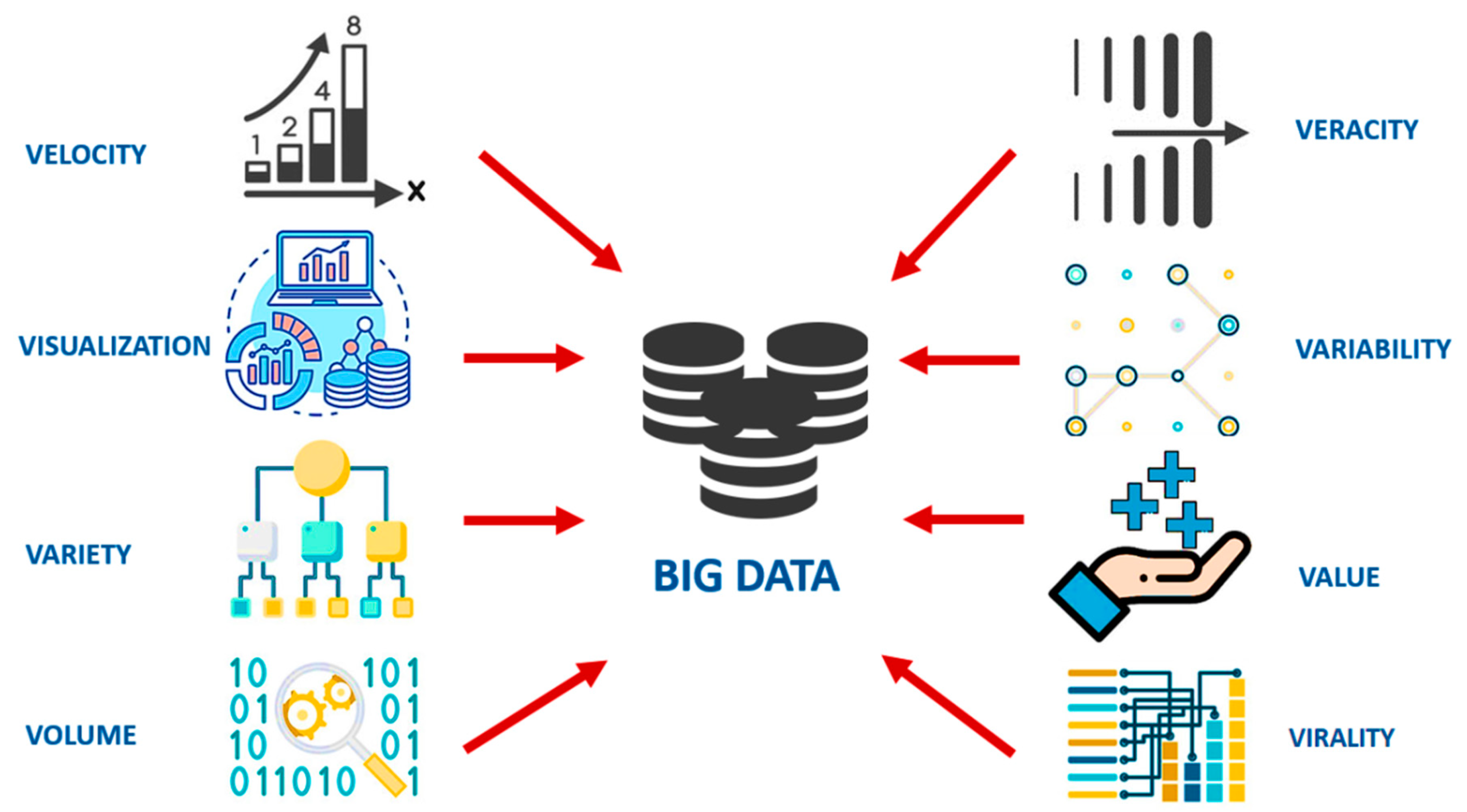
Big Data in healthcare refers to extremely large and complex datasets generated from multiple sources, including clinical records, laboratory systems, imaging tools, genomic sequencing, wearable devices, and public health databases. What makes this data powerful is not just its size, but the ability to analyze it quickly and accurately.
Key characteristics of healthcare Big Data include:
-
Volume: Billions of patient records and research data points
-
Velocity: Continuous, real-time data generation
-
Variety: Structured and unstructured data such as text, images, and genetic codes
-
Veracity: Ensuring accuracy and reliability for clinical use
When combined with advanced analytics, these datasets become a catalyst for rapid medical innovation.
Accelerating Disease Detection and Diagnosis
One of the most immediate impacts of Big Data is faster and more accurate disease detection. By analyzing large populations, researchers can spot early warning signs that might be invisible in smaller studies.
Examples of Big Data–driven diagnostics include:
-
Early cancer detection using imaging and pathology data
-
Identifying risk factors for heart disease from longitudinal patient records
-
Predicting disease outbreaks through population-level health trends
This data-driven approach allows clinicians to move from reactive treatment to proactive prevention.
Transforming Drug Discovery and Development
Drug discovery has historically been one of the most expensive and time-consuming areas of medicine. Big Data is dramatically shortening this process by helping scientists identify promising compounds and eliminate ineffective ones earlier.
Big Data accelerates drug development by:
-
Analyzing millions of molecular interactions simultaneously
-
Repurposing existing drugs for new conditions
-
Predicting drug toxicity and side effects before clinical trials
Organizations working under regulatory guidance from bodies such as the Food and Drug Administration increasingly rely on real-world data to support faster approvals without compromising safety.
Advancing Genomics and Precision Medicine
Genomic research generates enormous datasets, often measured in petabytes. Big Data analytics enables scientists to process this information efficiently, uncovering genetic variations linked to specific diseases.
This has led to major advances in:
-
Precision medicine, where treatments are tailored to individual genetic profiles
-
Identifying rare disease markers
-
Understanding how genetics influence drug response
Institutions like the National Institutes of Health leverage large-scale genomic databases to support collaborative research worldwide.
Improving Clinical Trials and Research Efficiency
Big Data has transformed how clinical trials are designed and conducted. Instead of relying solely on small, localized samples, researchers can now draw insights from diverse, global populations.
Benefits include:
-
Faster patient recruitment through data-driven matching
-
More representative trial populations
-
Continuous monitoring of trial outcomes in real time
This approach reduces costs, improves accuracy, and increases the likelihood of meaningful results.
Enhancing Public Health and Population Studies
Beyond individual treatment, Big Data plays a crucial role in public health research. Large-scale data analysis helps health authorities understand trends across regions and demographics.
Applications in public health include:
-
Monitoring disease spread and vaccination impact
-
Identifying social and environmental health determinants
-
Planning resource allocation during health emergencies
These insights support smarter policy decisions and more resilient healthcare systems.
Challenges and Ethical Considerations
While Big Data offers immense potential, it also introduces important challenges that must be addressed responsibly.
Key concerns include:
-
Data privacy and security
-
Ensuring unbiased and inclusive datasets
-
Maintaining transparency in data-driven decisions
Balancing innovation with ethics is essential to sustain trust and long-term progress in medical research.
The Future of Big Data in Medical Discovery
As computational power grows and analytics become more sophisticated, Big Data will continue to redefine medical discovery. The integration of artificial intelligence, real-world evidence, and global data sharing promises a future where breakthroughs happen faster and reach patients sooner.
The shift is clear: medicine is moving from intuition-driven research to evidence-driven discovery, powered by data at an unprecedented scale.
Frequently Asked Questions (FAQ)
What types of data are considered Big Data in healthcare?
Big Data includes electronic health records, medical imaging, genomic sequences, wearable device data, insurance claims, and public health databases.
How does Big Data reduce the time needed for medical discoveries?
By rapidly analyzing vast datasets, researchers can identify patterns, test hypotheses digitally, and focus on the most promising research paths early.
Is Big Data only useful for large hospitals and research institutions?
No. Smaller clinics and startups also benefit through shared databases, cloud analytics platforms, and collaborative research networks.
Can Big Data help with rare disease research?
Yes. Aggregating data from global sources increases sample sizes, making it easier to study and understand rare conditions.
What role does artificial intelligence play alongside Big Data?
AI helps interpret complex datasets, automate analysis, and generate predictive insights that humans alone could not achieve at scale.
How is patient privacy protected when using Big Data?
Healthcare systems use encryption, anonymization, and strict compliance frameworks to safeguard sensitive information.
Will Big Data replace traditional medical research methods?
Big Data complements rather than replaces traditional research, enhancing accuracy and speed while preserving scientific rigor.
