

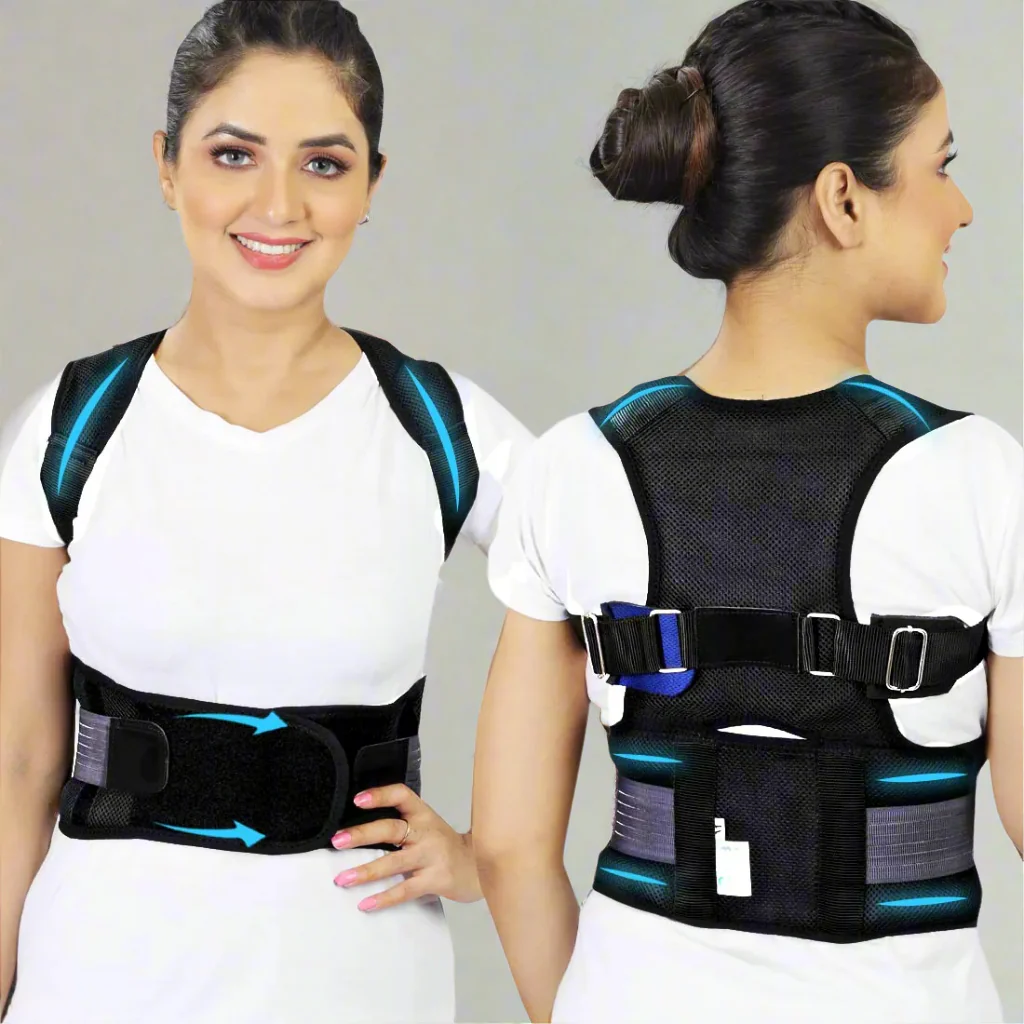
In today’s modern world, where technology and sedentary lifestyles dominate much of our daily existence, posture correction has become more important than ever. Whether it’s sitting hunched over a computer screen for hours, cradling a smartphone for extended periods, or simply spending long days on our feet, poor posture has become a silent epidemic. However, the benefits of posture correction go beyond just alleviating discomfort—it can significantly improve your overall health, performance, and well-being. In this article, we will explore why incorporating posture correction into your daily routine is essential for a healthier, more active lifestyle.
The Hidden Impact of Poor Posture
Before we dive into the benefits of posture correction, it’s important to understand the impact poor posture can have on your body. Most people don’t realize that improper posture places unnecessary stress on the muscles, joints, and ligaments. Over time, this strain can lead to chronic pain, particularly in the neck, shoulders, back, and hips. Poor posture can also alter the natural curves of the spine, leading to misalignment and long-term structural issues.
According to the American Chiropractic Association (ACA), poor posture can contribute to a variety of musculoskeletal disorders, including tension headaches, spinal dysfunction, and even joint degeneration. Additionally, poor posture affects the way your body moves, leading to muscle imbalances that can further exacerbate discomfort and limit mobility. In many cases, poor posture doesn’t just cause physical pain—it can also impact your mood, energy levels, and mental clarity.
1. Improved Spinal Health and Alignment
One of the primary reasons to focus on posture correction is its positive effect on spinal health. The spine is the central support structure of the body, and maintaining its natural alignment is essential for overall well-being. When you slouch or adopt poor posture habits, the spine is forced to bear an uneven distribution of weight, which can lead to spinal misalignments and discomfort.
Correcting your posture helps to restore the natural curves of your spine, reducing the strain on your back muscles and ligaments. This can alleviate common issues like lower back pain and stiffness, which affect a large portion of the population. By consciously correcting your posture, you encourage a more neutral spine position, promoting better alignment and reducing the risk of developing chronic back issues in the future.
Real Benefits: Practicing good posture can lead to reduced back and neck pain, improved flexibility, and better alignment. As a result, you’ll experience less discomfort and greater mobility, even during everyday activities.
2. Enhanced Breathing and Oxygen Intake
Another lesser-known benefit of posture correction is its impact on breathing. When you slouch, your chest and lungs are compressed, making it more difficult for your diaphragm to fully expand. This restriction in lung capacity reduces your ability to take deep, full breaths, which in turn limits oxygen intake.
Posture correction, especially when combined with deep breathing techniques, can help open up the chest and allow for more effective lung expansion. By standing or sitting up straight, you encourage better posture for your diaphragm and ribcage, making it easier to inhale deeply and efficiently. This improved oxygen flow not only supports better lung function but also enhances your energy levels and mental clarity.
Real Benefits: With better posture comes improved breathing, which leads to increased oxygen intake. This helps to boost your overall energy levels, reduce feelings of fatigue, and support your body’s ability to perform at its best, both physically and mentally.
3. Reduced Muscle Tension and Pain
Muscle tension is one of the most common consequences of poor posture. When your body is out of alignment, certain muscles are forced to work harder than others to compensate for the imbalance. For example, if you sit with rounded shoulders or have a forward head posture, your upper back muscles may become overstretched, while the muscles in your neck and shoulders become tight and fatigued.
Posture correction helps to distribute the load more evenly across your muscles, reducing unnecessary tension and strain. By strengthening the muscles responsible for holding your body in a neutral position—such as the core, back, and shoulder muscles—you can prevent imbalances that lead to discomfort and pain.
Real Benefits: A routine that includes posture correction can significantly reduce muscle tightness, alleviate neck and shoulder pain, and prevent chronic conditions like sciatica. It also enhances overall muscle function, making daily activities feel easier and less physically taxing.
4. Increased Energy and Reduced Fatigue
It may come as a surprise, but your posture can have a direct impact on your energy levels. When your body is misaligned, your muscles and joints have to work harder to maintain stability and support. This extra effort can be draining, leading to feelings of fatigue, especially toward the end of the day.
Good posture reduces the need for your body to compensate for poor alignment, allowing for more efficient movement. This translates to less muscle fatigue and a greater sense of vitality throughout the day. Additionally, by allowing for better circulation and oxygen flow, good posture helps your body function more optimally, preventing the sluggishness and tiredness that often accompanies poor posture.
Real Benefits: Improved posture directly contributes to increased energy levels and reduced fatigue. Whether you’re sitting at a desk for hours or engaging in physical activity, maintaining good posture will help you feel more energized and less worn out at the end of the day.
5. Better Digestion and Circulation
When you slouch, the compression of the abdominal region can interfere with the digestive process. Poor posture can constrict the internal organs, slowing down digestion and causing discomfort, bloating, and even constipation. By sitting or standing up straight, you allow the digestive system to function more efficiently, promoting better digestion and nutrient absorption.
Posture correction also improves circulation by reducing pressure on the blood vessels. When the body is in a neutral position, blood can flow more freely, delivering oxygen and nutrients to the muscles and organs. This increased circulation supports overall health and can help with everything from reducing swelling in the legs to promoting healthier skin.
Real Benefits: Practicing good posture improves digestion, reduces bloating, and supports healthy circulation. By allowing your body to function more efficiently, you can experience greater comfort and improved internal health.
6. Boosted Confidence and Mood
Good posture has a profound effect on how you feel about yourself. Studies have shown that maintaining an upright posture not only improves your physical health but also has a psychological impact. People who stand or sit with good posture tend to feel more confident, positive, and in control.
Research published in the Health Psychology journal revealed that adopting an upright posture can reduce feelings of stress and improve mood, even in high-pressure situations. This is because good posture signals to your brain that you’re confident and capable, helping to reduce anxiety and increase self-esteem.
Real Benefits: Correct posture doesn’t just affect your body—it also impacts your mind. Standing tall and sitting upright can improve your mood, boost your self-confidence, and even help you handle stress more effectively.
7. Improved Athletic Performance
Posture correction is not just important for everyday health—it’s also essential for improving athletic performance. Proper posture allows for optimal movement patterns, reducing the risk of injury and enhancing your ability to perform various physical activities. Whether you’re lifting weights, running, or playing sports, good posture ensures that your body is in the right alignment to execute movements effectively and efficiently.
For example, maintaining proper posture during strength training helps to stabilize the core, which is essential for lifting heavy weights safely. Similarly, good posture while running or cycling allows for more efficient energy transfer and reduces the risk of overuse injuries.
Real Benefits: Whether you’re an athlete or simply someone who enjoys physical activity, posture correction can lead to improved performance and reduced injury risk. By maintaining proper alignment, you allow your body to move more efficiently, which enhances your overall fitness and athletic abilities.
Conclusion: The Case for Posture Correction
Incorporating posture correction into your daily routine offers a wide array of benefits that go beyond simply looking better. By improving spinal alignment, reducing muscle tension, boosting energy, and enhancing overall well-being, posture correction can transform how you feel and move. Whether you’re dealing with chronic pain, fatigue, or simply want to improve your quality of life, making a conscious effort to correct your posture can have a profound impact on your health.
The good news is that posture correction doesn’t require extensive time or effort. Simple practices like mindful sitting, standing with your shoulders back, strengthening your core, and taking breaks throughout the day to move and stretch can go a long way toward improving your posture. With consistent attention to alignment, you’ll start to notice positive changes in how you feel, move, and even think.
So, why wait? Start incorporating posture correction into your routine today and experience the real, tangible results for yourself. Your body—and mind—will thank you.
