

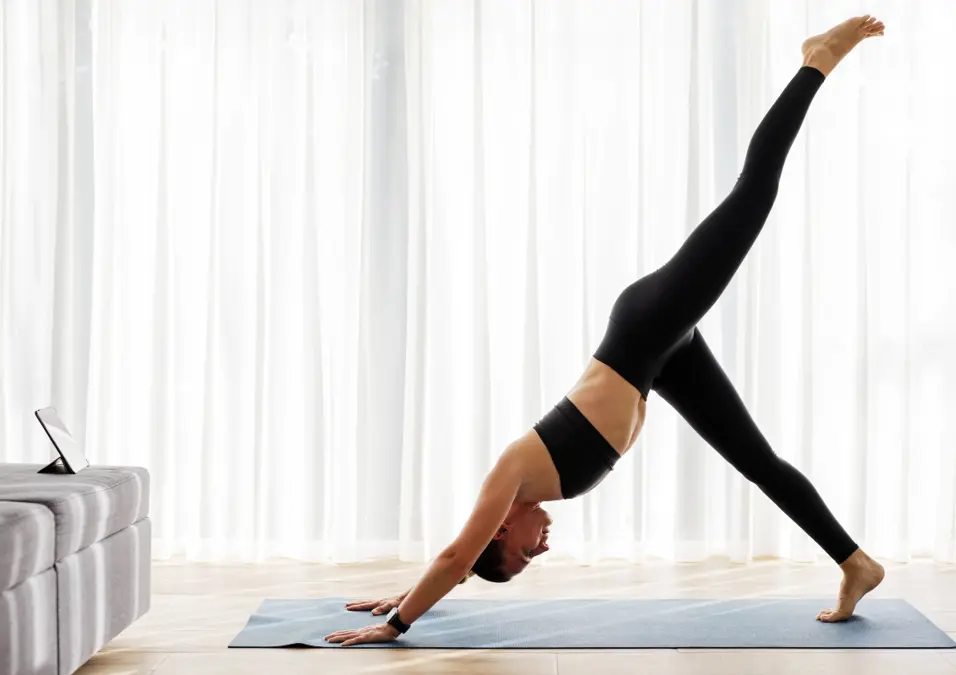
In a city where time is a premium and work-life balance often feels elusive, vinyasa yoga has emerged as a practical yet powerful antidote to daily stress. Especially for busy professionals in Singapore, the rhythmic flow of breath and movement offers a holistic approach to physical fitness and mental clarity — all without needing hours at the gym or specialised training equipment.
This article explores why Vinyasa yoga is becoming a go-to practice for Singapore’s working population and how you can effortlessly incorporate it into your weekly routine.
Why Vinyasa Yoga Appeals to Working Adults
The structured chaos of daily corporate life in Singapore can lead to mental fatigue, tension, and a sedentary lifestyle. Vinyasa yoga answers these challenges with its combination of flexibility, cardio, and mindfulness — all in one efficient session.
Key reasons professionals prefer Vinyasa yoga:
- Efficient time use: A single 45 to 60-minute class offers cardio, strength, flexibility, and mindfulness.
- Mental reset: The focus on synchronising breath with movement reduces cognitive overload.
- No equipment needed: All you need is a mat, which makes lunchtime or post-work sessions easy.
- Low injury risk: The flowing nature helps warm up joints gradually, preventing strain.
Whether practised in the morning to start the day right or as an evening wind-down, it fits perfectly into Singapore’s fast-paced urban rhythm.
The Science of Stress Relief Through Movement
Singapore’s workplace culture is known for being high-performing, but often, this also results in high stress. Practising vinyasa yoga helps regulate the body’s autonomic nervous system — moving you from a high-alert “fight or flight” state to a “rest and digest” parasympathetic mode.
How Vinyasa helps reduce stress:
- Encourages deep diaphragmatic breathing, lowering cortisol levels
- Improves heart rate variability, supporting emotional regulation
- Facilitates the release of endorphins, boosting overall mood
- Supports mental clarity through active mindfulness
The rhythm of inhale-up and exhale-down becomes not just a physical pattern, but also a metaphorical release of stress — breath by breath.
Customising Vinyasa Practice for Your Workday
One of the most attractive features of Vinyasa yoga is how easily it can be tailored. Whether you’ve got 20 minutes or a full hour, sequences can be modified to suit your energy levels and daily demands.
Here’s how you can align your practice with your workday:
- Morning routines: Include energising sun salutations to stimulate circulation.
- Lunchtime flows: Opt for shorter, detoxifying twists and side stretches.
- Evening wind-down: Focus on hip openers and longer holds to release tension.
There are also studios across the island that offer early morning and late evening Vinyasa classes for professionals. At Yoga Edition, for example, class schedules are designed with working adults in mind.
Benefits for the Sedentary Professional
Many corporate professionals in Singapore spend the bulk of their day seated, which can lead to poor posture, tight hips, and weakened core muscles. Vinyasa yoga actively counters these issues with sequences that realign posture, increase mobility, and strengthen stabilising muscles.
Specific benefits include:
- Improved spinal alignment through backbends and forward folds
- Hip flexibility with poses like Warrior II and Lizard
- Core activation in planks, chaturanga, and balancing poses
- Shoulder mobility via repeated arm cycles and bind variations
Over time, this not only improves your physical form but also prevents the chronic discomfort that comes from long hours at a desk.
A Mental Break Without Scrolling
Many working adults take “mental breaks” by scrolling through social media or watching videos — but these actually keep the brain stimulated rather than relaxed. Vinyasa yoga offers a real reset by engaging your body while allowing your mind to anchor in the present.
Unlike passive distractions, mindful movement fosters deep rest and mental detoxification without overstimulation.
Building Consistency Amidst a Busy Schedule
The challenge for most professionals isn’t awareness — it’s consistency. Vinyasa yoga works well even if you don’t have hours to spare. What matters is frequency and commitment, not perfection.
Tips for staying consistent:
- Schedule it like a meeting: Add yoga sessions to your calendar and treat them as non-negotiable.
- Start with short flows: Even 15–20 minutes a day can create impact.
- Join group classes: They create accountability and enhance social motivation.
- Keep a mat at work or home: Accessibility increases likelihood.
Most people find that after just 2–3 weeks of consistent practice, the benefits become tangible — from better focus at work to improved sleep.
Real Stories from Working Professionals in Singapore
Michelle, a 34-year-old marketing executive, shared: “I used to rely on coffee to push through 4pm slumps. Now, a quick Vinyasa session at lunch keeps me energised through meetings.”
Kelvin, a 41-year-old finance professional, said: “I was skeptical at first, but after three classes, I noticed my back pain reduced, and I could sleep better. Vinyasa fits my schedule better than going to the gym.”
These stories are becoming increasingly common among professionals seeking results without the rigidity of typical workouts.
FAQs About Vinyasa Yoga for Professionals
Q1: Can I start Vinyasa yoga even if I’m not flexible?
Yes, flexibility is not a prerequisite. In fact, Vinyasa yoga gradually improves flexibility over time. Many postures can be modified to suit beginners.
Q2: How often should I practise as a working adult?
Aim for at least two sessions per week. If you can manage more, great — but even 20-minute sessions can be impactful if done consistently.
Q3: Will I sweat a lot in a typical Vinyasa class?
Yes, depending on the pace and intensity, many classes can get quite sweaty. It’s a full-body workout that elevates your heart rate.
Q4: Is it suitable to do Vinyasa after work if I’m mentally drained?
Absolutely. Many practitioners find that they leave class feeling more energised, not more tired. The breath work helps clear mental fog.
Q5: Are there classes designed for specific goals like stress relief or posture correction?
Yes. Some Vinyasa classes are structured around themes like relaxation, alignment, or strength. Just check the class description before booking.
