

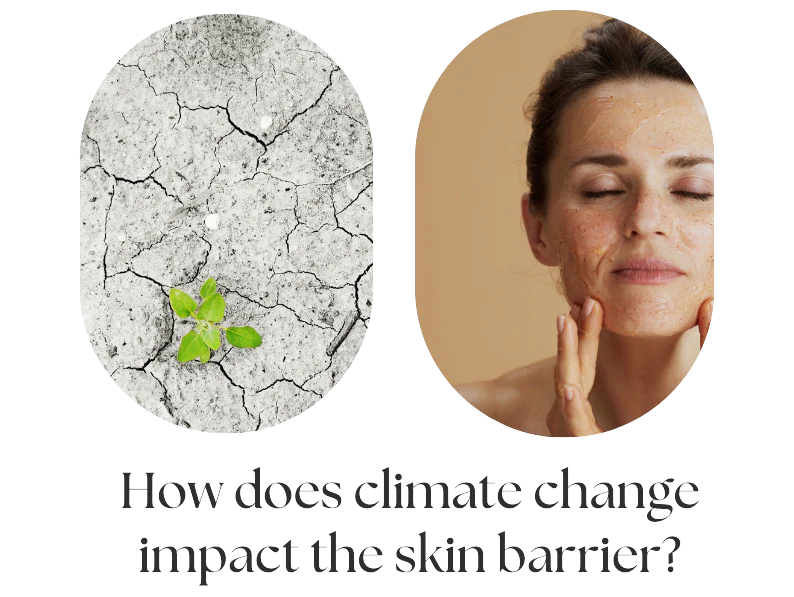
Aging is often blamed for wrinkles, dryness, and uneven skin tone. Yet mounting evidence shows that climate change—through rising temperatures, harsher sunlight, and worsening air quality—can accelerate skin damage more aggressively than the natural aging process itself. Unlike age, which progresses steadily, climate stressors can intensify suddenly and overwhelm the skin’s defenses.
Why Skin Is Especially Vulnerable to Climate Change
Your skin is the body’s first line of defense against the environment. When climate patterns shift, that protective barrier is constantly challenged.
-
Heat extremes increase sweat and oil imbalance
-
Stronger UV radiation penetrates deeper layers of skin
-
Air pollution deposits toxins directly onto the skin surface
-
Low or fluctuating humidity disrupts moisture retention
Over time, these factors can cause visible damage faster than chronological aging alone.
The Science Behind Climate-Driven Skin Damage
Rising Temperatures and Chronic Inflammation
Higher average temperatures increase skin inflammation, which weakens collagen and elastin. This leads to sagging, fine lines, and loss of firmness—changes often associated with aging, but triggered earlier by heat stress.
Increased UV Exposure
Climate shifts affect cloud cover and ozone stability, allowing more ultraviolet radiation to reach the skin. UV rays:
-
Break down collagen fibers
-
Trigger hyperpigmentation
-
Increase the risk of precancerous skin changes
Even brief, repeated exposure can compound damage over time.
Pollution: The Silent Skin Aggressor
Air pollution is one of the most underestimated climate-related threats to skin health. Microscopic particles settle into pores, generating oxidative stress that accelerates aging far beyond natural timelines.
Common pollution-related skin effects include:
-
Dull, grayish complexion
-
Increased acne and sensitivity
-
Faster wrinkle formation around eyes and mouth
Pollutants also weaken the skin barrier, making it less resilient to future environmental stress.
Climate Change and Skin Hydration
Shifts in humidity—whether toward extreme dryness or excess moisture—confuse the skin’s moisture-regulation system.
Low Humidity Effects
-
Cracked, flaky texture
-
Heightened sensitivity
-
Slower skin repair
High Humidity Effects
-
Excess oil production
-
Fungal flare-ups
-
Persistent clogged pores
These hydration disruptions can age skin faster than time itself.
Why Climate Stress Ages Skin Faster Than Years
Aging is gradual. Climate stress is constant and cumulative. When environmental damage occurs daily without sufficient recovery time, skin cells cannot regenerate properly. This results in:
-
Earlier wrinkle formation
-
Uneven tone and texture
-
Long-term barrier dysfunction
In short, climate change doesn’t just mimic aging—it amplifies it.
How to Protect Your Skin in a Changing Climate
Adapting skincare habits is essential as environmental conditions evolve.
Protective strategies include:
-
Daily broad-spectrum sun protection
-
Antioxidant-rich skincare to neutralize pollutants
-
Barrier-repair moisturizers with ceramides
-
Gentle cleansing to remove environmental debris
Consistency matters more than complexity when defending skin against climate stress.
The Bigger Picture: Skin as a Climate Indicator
Dermatologists increasingly view skin changes as early warning signs of environmental strain. Rising cases of sensitivity, pigmentation disorders, and inflammatory conditions reflect broader ecological shifts—making skin health a personal signal of global change.
Frequently Asked Questions
1. Can climate change cause permanent skin damage?
Yes, long-term exposure to UV radiation and pollution can lead to irreversible collagen loss and chronic pigmentation issues.
2. Is climate-related skin aging reversible?
Some damage can be improved with targeted skincare, but prevention is far more effective than repair.
3. Does living in a city increase climate-related skin risks?
Urban environments often amplify pollution and heat, increasing skin stress compared to rural areas.
4. Are certain skin types more affected by climate change?
Sensitive, dry, and acne-prone skin types tend to react more strongly to environmental fluctuations.
5. How quickly can climate stress affect skin appearance?
Visible changes can appear within weeks during extreme weather or pollution spikes.
6. Can indoor environments protect skin from climate effects?
Indoor air conditioning and heating can also disrupt humidity, so indoor protection is still necessary.
7. Will climate change affect future skincare needs?
Yes, skincare routines will increasingly focus on environmental defense, not just anti-aging.
