

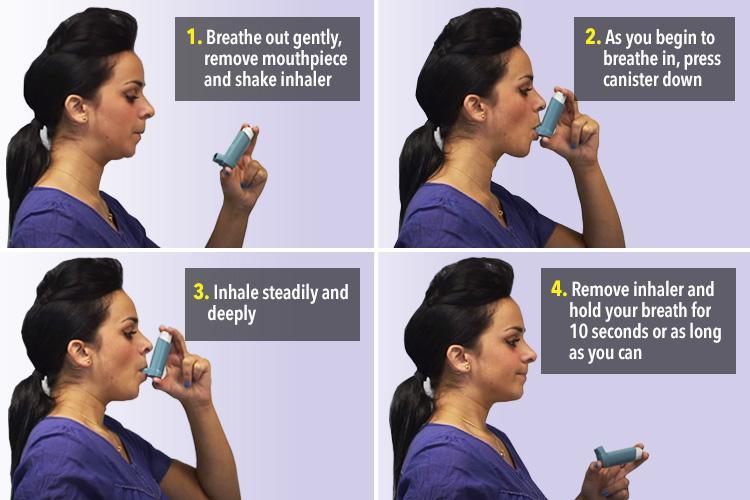
Asthma is a long-term respiratory condition that affects people differently. While some experience mild, occasional symptoms, others face frequent flare-ups that disrupt daily life. Personalized asthma management focuses on tailoring treatment to an individual’s triggers, lifestyle, and symptom patterns—resulting in better breathing control and fewer emergencies.
Understanding Why Asthma Requires Individualized Care
Asthma is not a one-size-fits-all condition. Symptoms can vary in intensity and frequency, influenced by genetics, environment, and overall health. A personalized approach helps address these variations rather than relying on generalized treatment alone.
Key reasons asthma care must be customized include:
-
Differences in triggers such as allergens, exercise, stress, or weather
-
Variations in symptom severity and lung function
-
Individual responses to medications
-
Lifestyle factors like occupation, physical activity, and sleep habits
What Is a Personalized Asthma Treatment Plan?
A personalized asthma treatment plan is a structured strategy developed to help an individual manage symptoms effectively. It combines medical therapy with daily habits and monitoring tools to maintain stable breathing.
Core Elements of a Customized Plan
A strong asthma management plan typically includes:
-
Assessment of triggers through medical history and observation
-
Medication selection based on symptom severity and response
-
Action steps for worsening symptoms or asthma attacks
-
Monitoring routines to track lung function and symptom patterns
This tailored approach empowers individuals to recognize early warning signs and act promptly.
Role of Medications in Personalized Asthma Care
Medications remain central to asthma control, but personalization determines the right type and dosage.
Common Medication Categories
-
Controller medications: Taken daily to reduce airway inflammation
-
Quick-relief medications: Used during sudden breathing difficulties
-
Add-on therapies: Considered for moderate to severe asthma not controlled by standard treatments
Adjustments are often made over time, ensuring treatment evolves with the patient’s needs.
Identifying and Managing Personal Asthma Triggers
Triggers play a major role in asthma flare-ups. Personalized plans focus on identifying and minimizing exposure to individual triggers.
Common Triggers to Watch For
-
Dust mites, pollen, or pet dander
-
Cold air or sudden temperature changes
-
Physical exertion without proper warm-up
-
Respiratory infections
-
Emotional stress or anxiety
Avoidance strategies and environmental adjustments can significantly reduce symptom frequency.
Monitoring Progress and Adjusting the Plan
Effective asthma management is ongoing. Regular monitoring ensures the treatment plan remains effective.
Monitoring methods may include:
-
Symptom journals
-
Peak flow measurements
-
Periodic lung function tests
-
Scheduled medical reviews
Tracking progress allows timely adjustments before symptoms worsen.
Lifestyle Habits That Support Better Breathing
Beyond medication, daily habits strongly influence asthma control.
Healthy Practices That Make a Difference
-
Maintaining good indoor air quality
-
Following a balanced diet that supports immune health
-
Engaging in appropriate physical activity
-
Practicing stress management techniques
-
Getting adequate sleep
When combined with medical treatment, these habits help stabilize breathing and improve overall well-being.
Benefits of Personalized Asthma Management
Individuals who follow customized asthma plans often experience:
-
Fewer asthma attacks
-
Improved lung function
-
Reduced need for emergency care
-
Better quality of life
-
Greater confidence in managing symptoms independently
Personalized care turns asthma management into a proactive process rather than a reactive one.
Frequently Asked Questions (FAQ)
1. How often should an asthma treatment plan be reviewed?
Most plans should be reviewed at least once or twice a year, or whenever symptoms change significantly.
2. Can children benefit from personalized asthma management?
Yes, children often respond especially well to tailored plans that consider growth, activity levels, and school environments.
3. Is it possible for asthma severity to change over time?
Asthma can become milder or more severe due to age, environment, or health changes, making regular reassessment important.
4. Do personalized plans reduce the need for medication?
In some cases, better trigger control and monitoring may reduce medication reliance, but this varies by individual.
5. How does stress affect asthma symptoms?
Stress can tighten airway muscles and worsen inflammation, increasing the risk of flare-ups.
6. Are digital tools helpful for asthma management?
Apps and smart inhalers can help track symptoms and medication use, supporting more personalized care.
7. What should someone do if their asthma plan stops working?
A healthcare professional should reassess symptoms, triggers, and treatment options to update the plan accordingly.
