

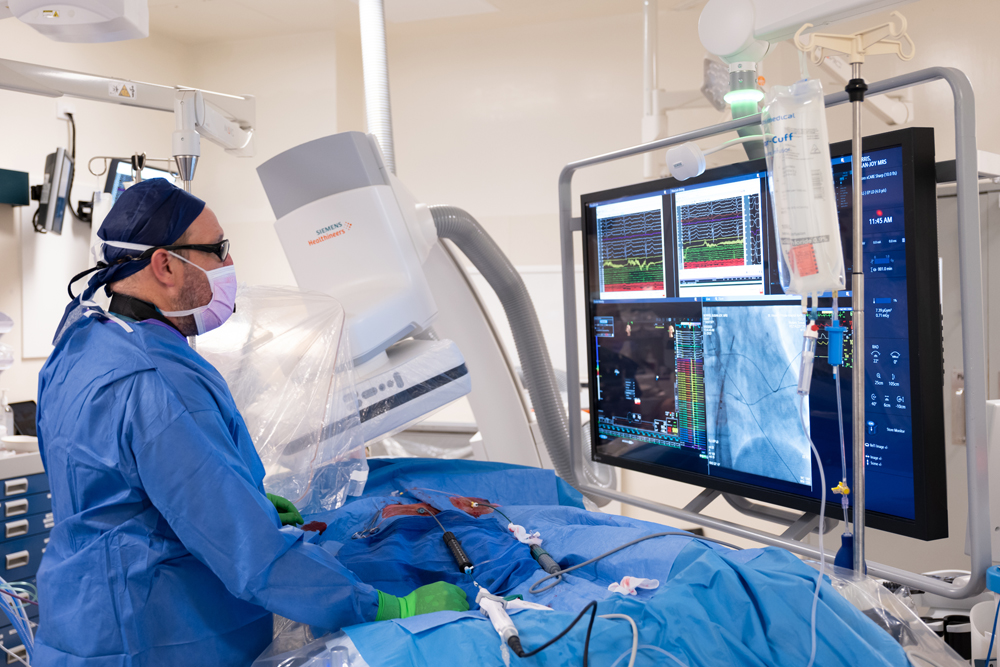
Heart rhythm disorders—collectively called arrhythmias—range from harmless skipped beats to life-threatening electrical instability. Modern cardiology offers a spectrum of treatments that are increasingly personalized, aiming to control symptoms, reduce complications like stroke, and restore safe heart rhythms with the least invasive approach possible.
Understanding Arrhythmias and When Treatment Is Needed
An arrhythmia occurs when the heart’s electrical signals fire too fast, too slow, or irregularly. Not every arrhythmia requires intervention. Treatment decisions depend on:
-
Type of arrhythmia (e.g., atrial vs. ventricular)
-
Symptom burden (palpitations, dizziness, fainting)
-
Risk of complications such as stroke or sudden cardiac arrest
-
Underlying heart disease or other medical conditions
For some people, reassurance and monitoring are enough. For others, active treatment is essential.
Medication-Based Treatments
Medications are often the first line of therapy, especially for stable arrhythmias or as a bridge to more definitive care.
Antiarrhythmic Drugs
These medications act directly on cardiac electrical pathways to stabilize rhythm or slow abnormal impulses.
Common goals include:
-
Restoring normal rhythm
-
Preventing recurrence
-
Reducing rapid heart rates
While effective, antiarrhythmic drugs require careful dosing and follow-up due to potential side effects and drug interactions.
Rate-Control Medications
Instead of correcting rhythm, these drugs slow the heart rate, improving symptoms and heart efficiency.
Typical benefits include:
-
Reduced fatigue and shortness of breath
-
Better exercise tolerance
-
Lower strain on the heart muscle
Anticoagulants
Some arrhythmias increase the risk of blood clots. Blood-thinning medications are prescribed to lower the chance of stroke, even if rhythm symptoms are mild.
Electrical Cardioversion
Electrical cardioversion uses a controlled electrical shock delivered to the chest to reset the heart rhythm. It is:
-
Performed under short-acting anesthesia
-
Highly effective for certain rapid arrhythmias
-
Often combined with medication to maintain results
This approach is considered minimally invasive and typically completed in a single outpatient visit.
Catheter Ablation: Targeted Rhythm Correction
Catheter ablation has transformed arrhythmia care by offering a curative option for many rhythm disorders.
How It Works
Thin catheters are guided through blood vessels to the heart. Energy is applied to:
-
Destroy abnormal electrical pathways
-
Isolate triggers causing irregular rhythms
-
Restore coordinated electrical flow
Key Advantages
-
High success rates for selected arrhythmias
-
Reduced need for long-term medication
-
Short recovery times compared to surgery
Ablation is now a standard option when medications fail or cause intolerable side effects.
Implantable Devices for Rhythm Protection
When arrhythmias pose a serious safety risk, implanted devices provide continuous monitoring and intervention.
Pacemakers
Pacemakers prevent dangerously slow heart rates by delivering electrical impulses when needed.
Benefits include:
-
Stable heart rhythm
-
Improved energy levels
-
Long-term reliability
Implantable Cardioverter-Defibrillators (ICDs)
ICDs detect and stop life-threatening fast rhythms by delivering corrective shocks.
They are recommended for individuals at high risk of sudden cardiac arrest and have proven life-saving value.
Lifestyle and Supportive Measures
Medical and procedural treatments are most effective when paired with lifestyle optimization.
Helpful strategies include:
-
Managing blood pressure and cholesterol
-
Limiting caffeine and alcohol
-
Treating sleep apnea
-
Maintaining a heart-healthy diet and exercise routine
These measures reduce arrhythmia triggers and improve overall cardiovascular health.
Choosing the Right Treatment Path
Arrhythmia care is no longer one-size-fits-all. Decisions are guided by:
-
Clinical evidence
-
Patient preferences
-
Risk–benefit analysis
-
Long-term quality of life considerations
Collaboration between patients and heart rhythm specialists ensures the most appropriate and effective plan.
Frequently Asked Questions (FAQs)
1. Can arrhythmias go away without treatment?
Some benign arrhythmias resolve on their own, especially when triggered by stress, dehydration, or stimulants. Persistent or symptomatic cases usually require evaluation.
2. Are antiarrhythmic medications safe for long-term use?
They can be, but long-term therapy requires monitoring for side effects and periodic reassessment of benefit versus risk.
3. Is catheter ablation considered surgery?
No. It is a minimally invasive procedure performed through blood vessels without open-heart surgery.
4. How long does recovery take after ablation?
Most patients resume normal activities within a few days, with full recovery typically within one to two weeks.
5. Will I still need medication after getting a pacemaker or ICD?
Often yes. Devices manage rhythm but do not replace all medications, especially those for blood pressure or clot prevention.
6. Can lifestyle changes alone control arrhythmias?
In mild cases, lifestyle changes may reduce episodes, but many arrhythmias require medical or procedural treatment.
7. How do doctors decide between medication and invasive treatment?
The choice depends on symptom severity, arrhythmia type, response to drugs, overall heart health, and patient preference.
