

Introduction
Joint pain is one of the most common health concerns affecting people of all ages. While occasional discomfort after physical activity is normal, persistent joint pain can interfere with walking, working, exercising, and even simple daily tasks. Conditions such as arthritis, injuries, inflammation, and age-related wear and tear often contribute to ongoing discomfort. A pain management doctor specializes in diagnosing the cause of joint pain and creating personalized treatment plans that improve mobility and overall quality of life.
Rather than focusing only on temporary relief, pain management aims to reduce inflammation, restore movement, and help patients remain active. Early treatment often prevents joint problems from becoming more severe and supports long-term health.
Common Causes of Joint Pain
Joint pain can develop for many different reasons. Osteoarthritis gradually wears down joint cartilage, while rheumatoid arthritis causes inflammation that damages joint tissues. Sports injuries, repetitive movements, bursitis, tendon problems, and previous fractures may also contribute to chronic discomfort.
Because many conditions produce similar symptoms, professional evaluation is important. A pain management doctor identifies the exact cause before recommending treatment, ensuring that patients receive care tailored to their specific condition.
Comprehensive Evaluation
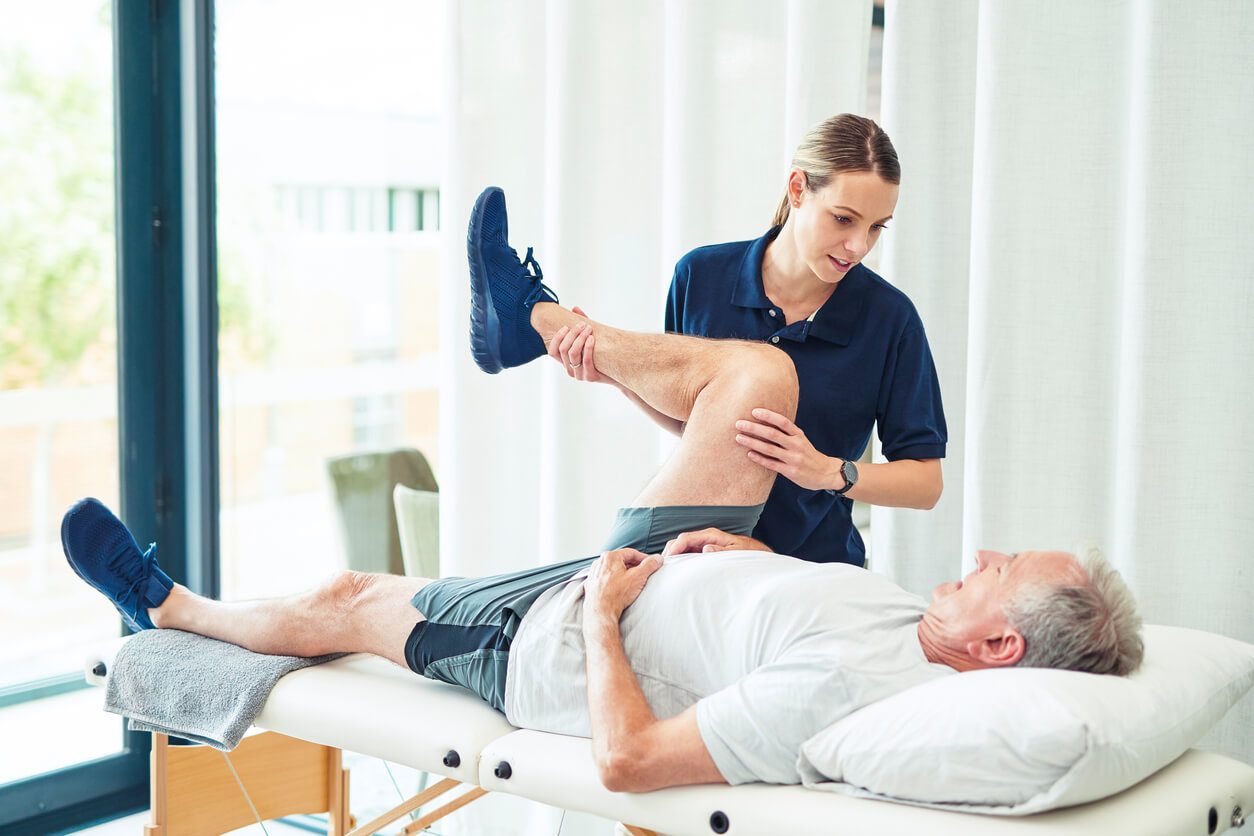
During the initial consultation, the doctor reviews the patient’s medical history, previous injuries, current medications, and lifestyle. A physical examination evaluates joint movement, swelling, tenderness, flexibility, and muscle strength.
If needed, imaging studies such as X-rays or MRI scans help identify structural problems affecting the joints. These findings guide the development of an individualized treatment plan.
Non-Surgical Treatment Options
Many patients can manage joint pain successfully without surgery. A pain management doctor often begins with conservative treatments designed to reduce discomfort while improving movement.
Common treatment options include:
- Physical therapy to strengthen muscles around the affected joint.
- Medication management to reduce pain and inflammation.
- Therapeutic injections for targeted symptom relief.
Using multiple therapies together often produces better long-term results than relying on a single treatment method.
The Importance of Physical Activity
Although movement may initially seem uncomfortable, staying active is one of the best ways to protect joint health. Appropriate exercises improve flexibility, strengthen supporting muscles, and reduce stiffness.
Low-impact activities such as walking, swimming, and cycling are commonly recommended because they place less stress on painful joints while maintaining overall fitness.
Lifestyle Changes That Support Joint Health
Daily habits play a significant role in managing joint pain. Maintaining a healthy weight reduces pressure on weight-bearing joints such as the knees and hips. Proper posture, supportive footwear, and ergonomic workspaces also help minimize unnecessary strain.
Patients are encouraged to balance physical activity with adequate rest to avoid overloading inflamed joints.
Monitoring Progress
Joint conditions may change over time. Regular follow-up appointments allow the pain management doctor to evaluate improvement, adjust medications if necessary, and recommend additional therapies when appropriate.
Continuous monitoring helps maintain effective pain control while preventing future complications.
Benefits of Professional Pain Management
Receiving specialized care offers several important advantages.
Benefits include:
- Improved mobility and flexibility.
- Better pain control with individualized treatment.
- Reduced dependence on long-term medication.
These improvements often allow patients to return to work, hobbies, and everyday activities with greater comfort.
Conclusion
A pain management doctor provides comprehensive care for individuals living with chronic joint pain. Through accurate diagnosis, personalized treatment plans, rehabilitation, and ongoing support, patients can reduce discomfort, improve movement, and maintain an active lifestyle. Early treatment and healthy daily habits are key to achieving long-term joint health.
