

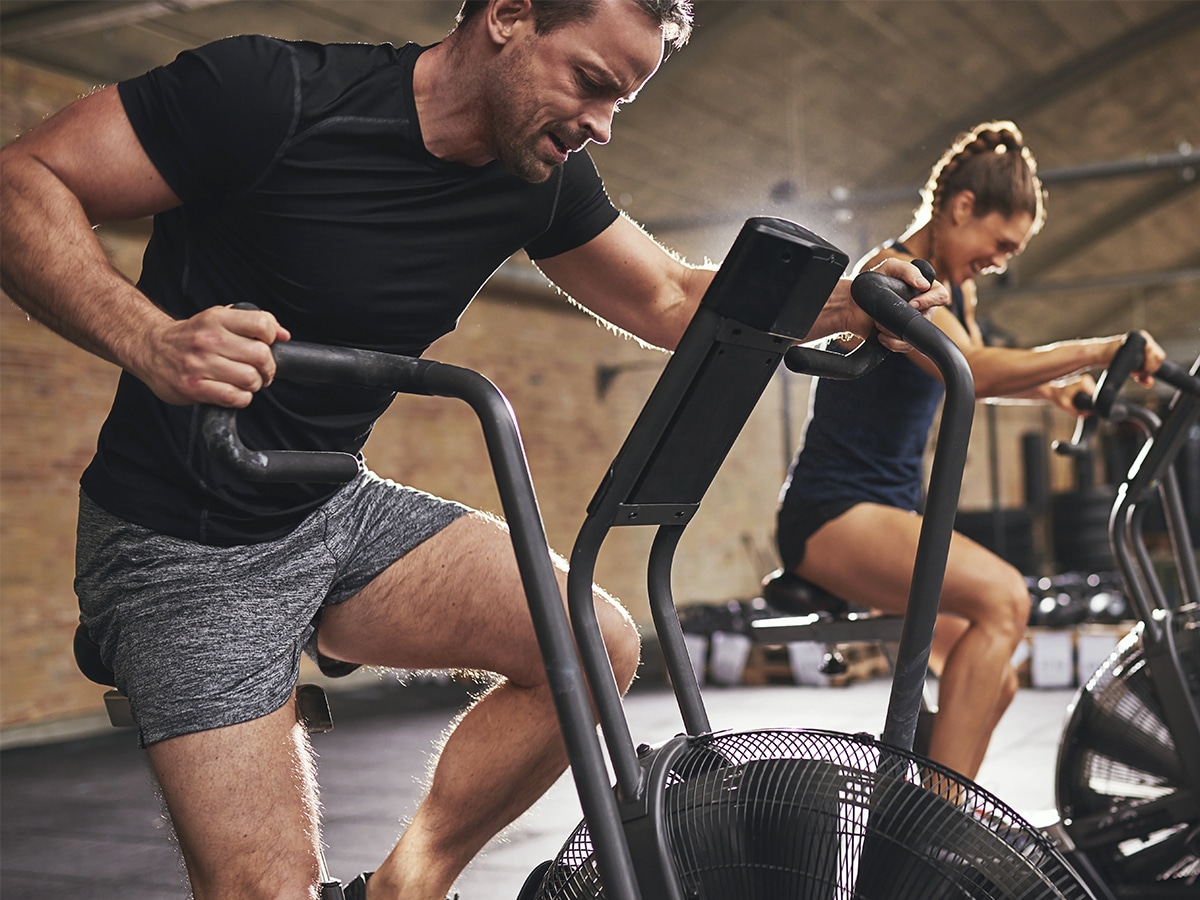
In recent years, High-Intensity Interval Training (HIIT) has emerged as one of the most popular workout methods in the fitness world. With promises of burning fat, improving cardiovascular health, and boosting overall fitness levels in a fraction of the time, it’s no wonder that more people are incorporating HIIT into their routines. What began as a niche training method for elite athletes has now become a staple for anyone looking to achieve real, tangible fitness results. But what makes HIIT so effective, and how does it deliver such powerful results? Let’s delve into the science and benefits behind HIIT workouts and explore how they can transform your fitness journey.
What is HIIT?
High-Intensity Interval Training is a form of exercise that alternates between short bursts of intense activity and periods of lower-intensity recovery or rest. Typically, a HIIT session lasts between 15 to 30 minutes, making it a time-efficient workout for those with busy schedules. The concept is simple: push your body to the limit during short intervals of work, followed by brief recovery periods. This cycle is repeated multiple times to maximize effort and fat-burning potential in a condensed period.
The beauty of HIIT lies in its adaptability. Exercises can range from bodyweight movements like jumping jacks and burpees to weightlifting or cycling. The intensity can also be adjusted to suit individual fitness levels, making HIIT a versatile and scalable option for people at all stages of their fitness journey.
1. Maximizes Calorie Burn and Fat Loss
One of the most significant advantages of HIIT is its ability to burn fat quickly and efficiently. Studies consistently show that HIIT leads to greater fat loss compared to moderate-intensity steady-state exercise, such as jogging or cycling at a steady pace. The reason behind this is the afterburn effect, scientifically known as excess post-exercise oxygen consumption (EPOC). After a HIIT workout, your body continues to burn calories at an elevated rate for hours, even after the workout has ended. This phenomenon is a result of the body working harder to recover from the intense exercise, replenishing oxygen stores, and repairing muscles.
According to a study published in the Journal of Obesity, participants who engaged in HIIT burned more fat and achieved greater reductions in body fat percentage compared to those who performed steady-state cardio. For those looking to shed extra pounds, HIIT provides a time-efficient way to achieve substantial fat loss with less time spent in the gym.
Real Results: Many individuals report visible changes in body composition after incorporating HIIT into their routines for just a few weeks. Increased muscle tone and reduced body fat are often noticeable, and the workout’s intensity pushes the body to maximize fat burning in a fraction of the time spent on traditional cardio exercises.
2. Boosts Cardiovascular Health
HIIT workouts don’t just sculpt the body—they also improve cardiovascular health. Intense intervals push your heart rate into higher zones, which improves heart health by increasing your aerobic capacity and efficiency. Over time, HIIT can lead to reduced blood pressure, improved cholesterol levels, and a lower risk of cardiovascular disease.
In a study published in The Journal of Physiology, researchers found that just a few sessions of HIIT per week can lead to improvements in cardiovascular health comparable to traditional endurance training. The study further highlighted that HIIT has the potential to enhance heart health without requiring the long duration associated with conventional aerobic exercise.
Real Results: Many participants in HIIT studies have reported significant improvements in their VO2 max (a measure of cardiovascular endurance), which is a key indicator of overall cardiovascular health. This means that HIIT doesn’t just help with fat loss; it strengthens the heart and lungs as well, providing a holistic approach to fitness.
3. Improves Metabolism and Insulin Sensitivity
Another compelling reason to incorporate HIIT into your fitness regimen is its impact on metabolism and insulin sensitivity. HIIT has been shown to improve the body’s ability to use insulin efficiently, which is crucial for regulating blood sugar levels. This is particularly beneficial for individuals with prediabetes or those at risk of developing type 2 diabetes.
A study published in Diabetologia found that participants who performed HIIT over 12 weeks exhibited significant improvements in insulin sensitivity compared to those who engaged in steady-state cardio or resistance training. Improved insulin sensitivity helps prevent excessive fat storage, reduces the risk of metabolic diseases, and supports overall health.
Additionally, HIIT boosts the metabolic rate, meaning you continue to burn calories long after the workout ends. This post-workout calorie burn makes HIIT an excellent choice for those aiming to lose weight or maintain a healthy body composition.
Real Results: Research has shown that even short bouts of HIIT can lead to a noticeable reduction in belly fat, a major risk factor for metabolic disorders. By improving insulin sensitivity, HIIT can help regulate blood sugar levels and reduce the risk of developing chronic health conditions.
4. Builds and Maintains Muscle Mass
While many people associate HIIT with fat loss, it also plays a crucial role in preserving and even building muscle mass. Unlike steady-state cardio, which can sometimes lead to muscle breakdown, HIIT’s high-intensity nature promotes the growth of lean muscle by triggering muscle fibers to adapt and grow stronger.
HIIT workouts often incorporate resistance exercises, such as squats, lunges, push-ups, or kettlebell swings, which actively engage the muscles. This combination of cardiovascular and strength training is what makes HIIT such a comprehensive workout for improving muscle tone and strength.
A study published in The Journal of Strength and Conditioning Research found that HIIT combined with strength exercises led to significant improvements in both muscle strength and endurance. This is especially important for those looking to increase lean muscle while simultaneously burning fat.
Real Results: Many individuals who follow HIIT routines report noticeable improvements in muscle tone and definition. Whether it’s more sculpted legs, defined arms, or a toned core, HIIT can help improve overall muscle mass, making it an excellent option for individuals who want to achieve a lean, toned physique.
5. Time Efficiency: Ideal for Busy Schedules
Perhaps one of the most attractive aspects of HIIT is its time efficiency. Traditional cardio sessions can last anywhere from 45 minutes to an hour, but with HIIT, you can achieve similar (if not superior) results in just 20 to 30 minutes. This makes it a perfect option for individuals with busy schedules who struggle to find time for exercise.
The intensity of HIIT ensures that every minute counts. By pushing your body to work at maximum capacity during the high-intensity intervals, you stimulate fat loss, muscle gain, and cardiovascular improvement in a fraction of the time it would take with other forms of exercise.
Real Results: Many people who adopt HIIT report feeling more energized and seeing improvements in their fitness levels in a short amount of time, even with just 20-minute workouts, making it easier for them to stick to their fitness routine.
6. Improves Mental Health and Cognitive Function
Exercise, in general, has been shown to have a positive impact on mental health, but HIIT provides unique cognitive benefits as well. Research indicates that HIIT can improve mood, reduce symptoms of anxiety and depression, and enhance overall mental well-being. A study published in Psychiatry Research found that participants who engaged in regular HIIT sessions reported reduced anxiety levels and improved overall quality of life.
Furthermore, HIIT has been linked to improvements in cognitive function. The high-intensity nature of the workouts increases blood flow to the brain, supporting the growth of new brain cells and enhancing cognitive performance.
Real Results: People who regularly perform HIIT often report increased mental clarity, better focus, and reduced stress levels. The boost in endorphins (the “feel-good” hormones) during and after a workout can leave you feeling more positive and energized throughout the day.
Conclusion: HIIT for Real Results
High-Intensity Interval Training is more than just a fitness trend—it’s a scientifically proven method for achieving real, lasting results. From fat loss and improved cardiovascular health to muscle preservation and enhanced metabolism, the benefits of HIIT are numerous and impactful. Its time-efficient nature and ability to be tailored to individual fitness levels make it an accessible option for everyone, whether you’re just starting your fitness journey or looking to take your performance to the next level.
Incorporating HIIT into your routine doesn’t just offer immediate benefits—it also sets the foundation for long-term health and fitness improvements. Whether you’re hoping to lose weight, gain muscle, or improve mental clarity, HIIT provides a comprehensive, effective, and enjoyable approach to achieving your goals.
